


 English
 Español

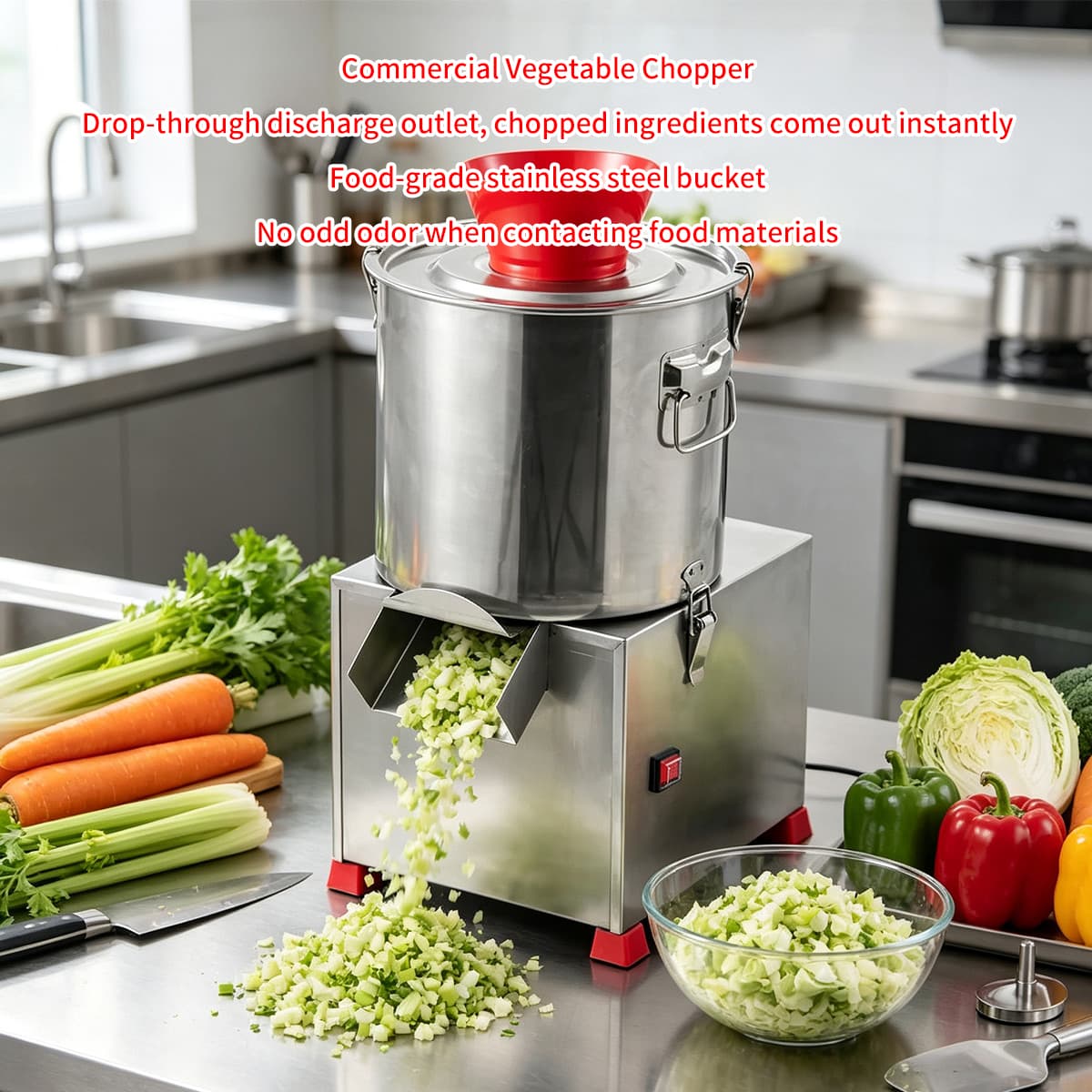
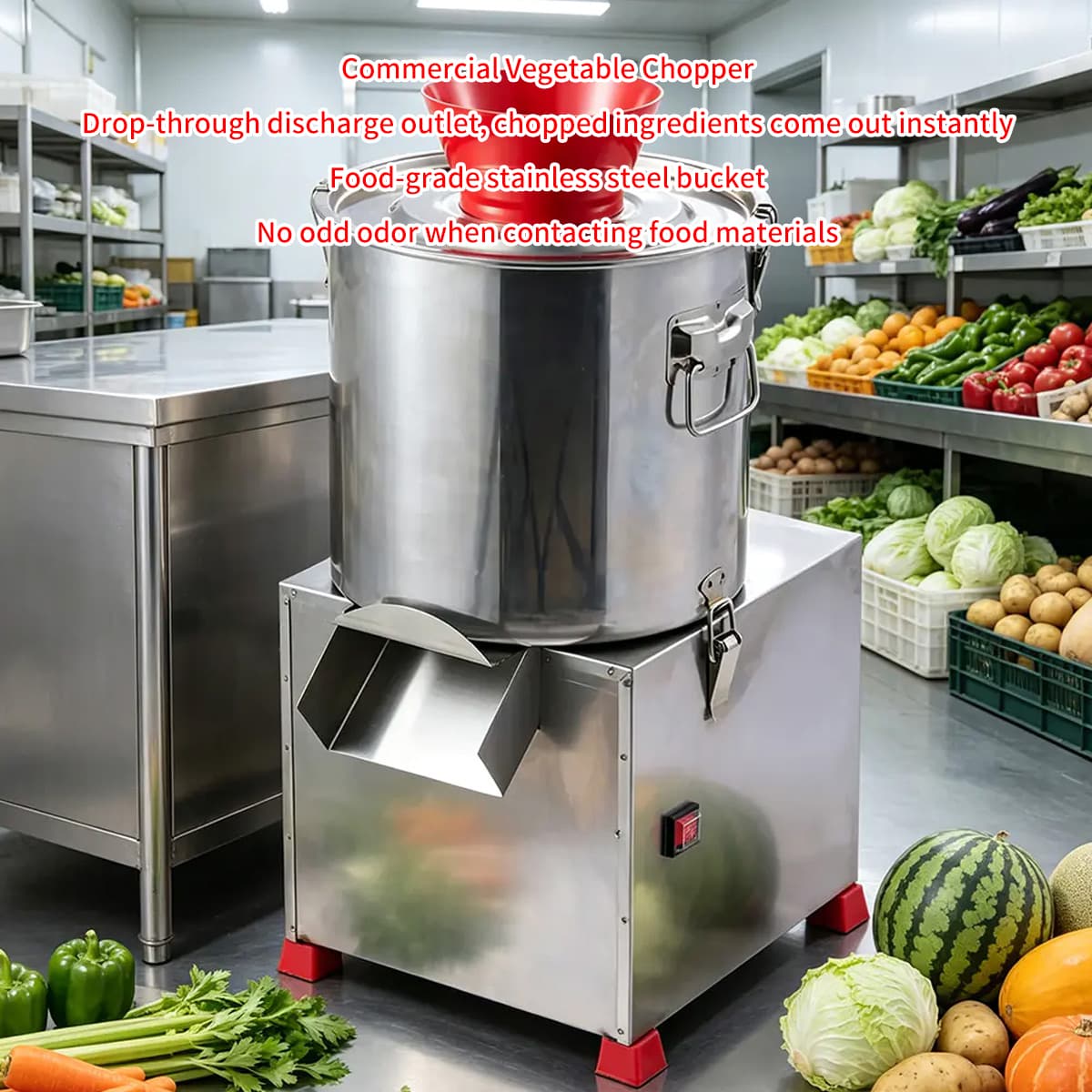
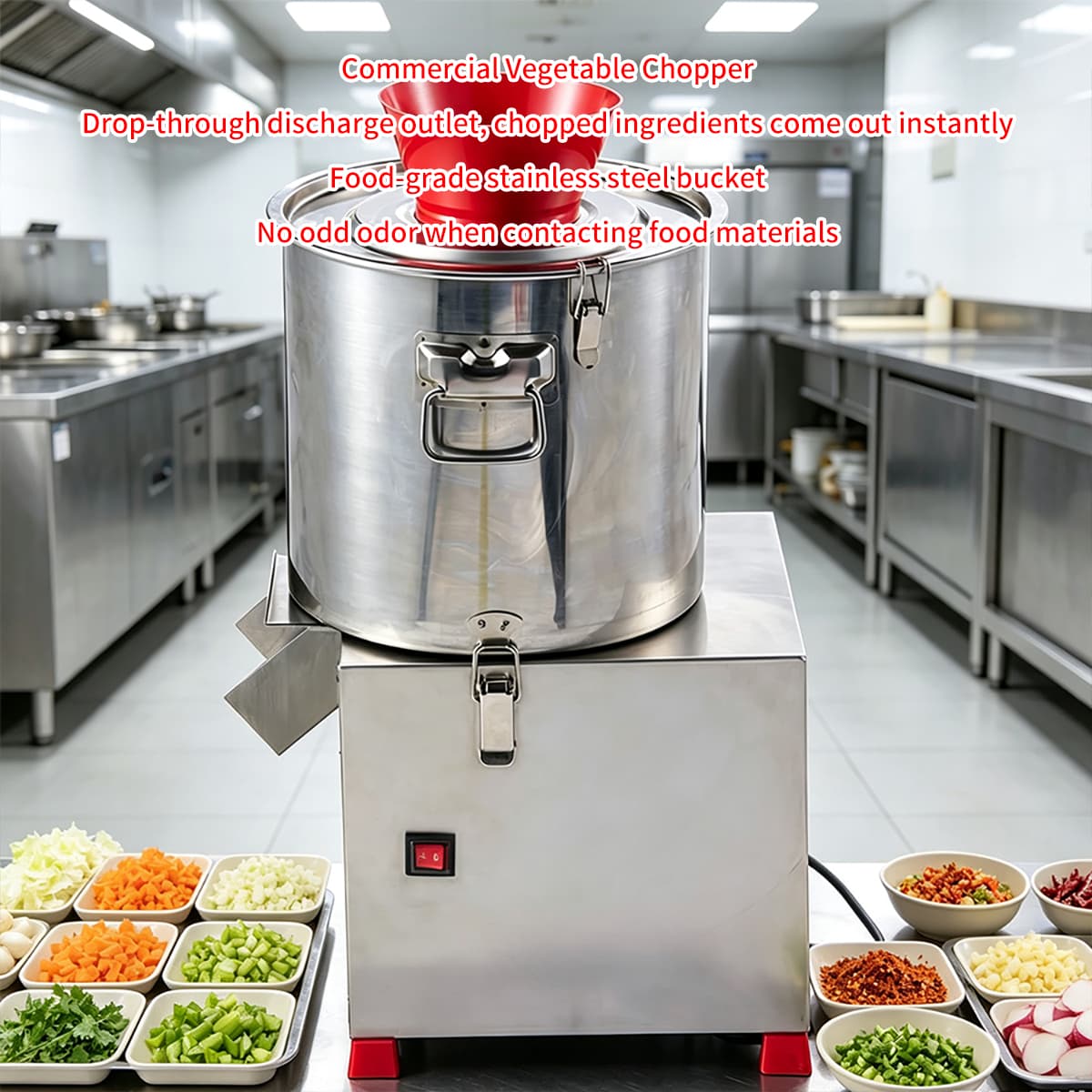
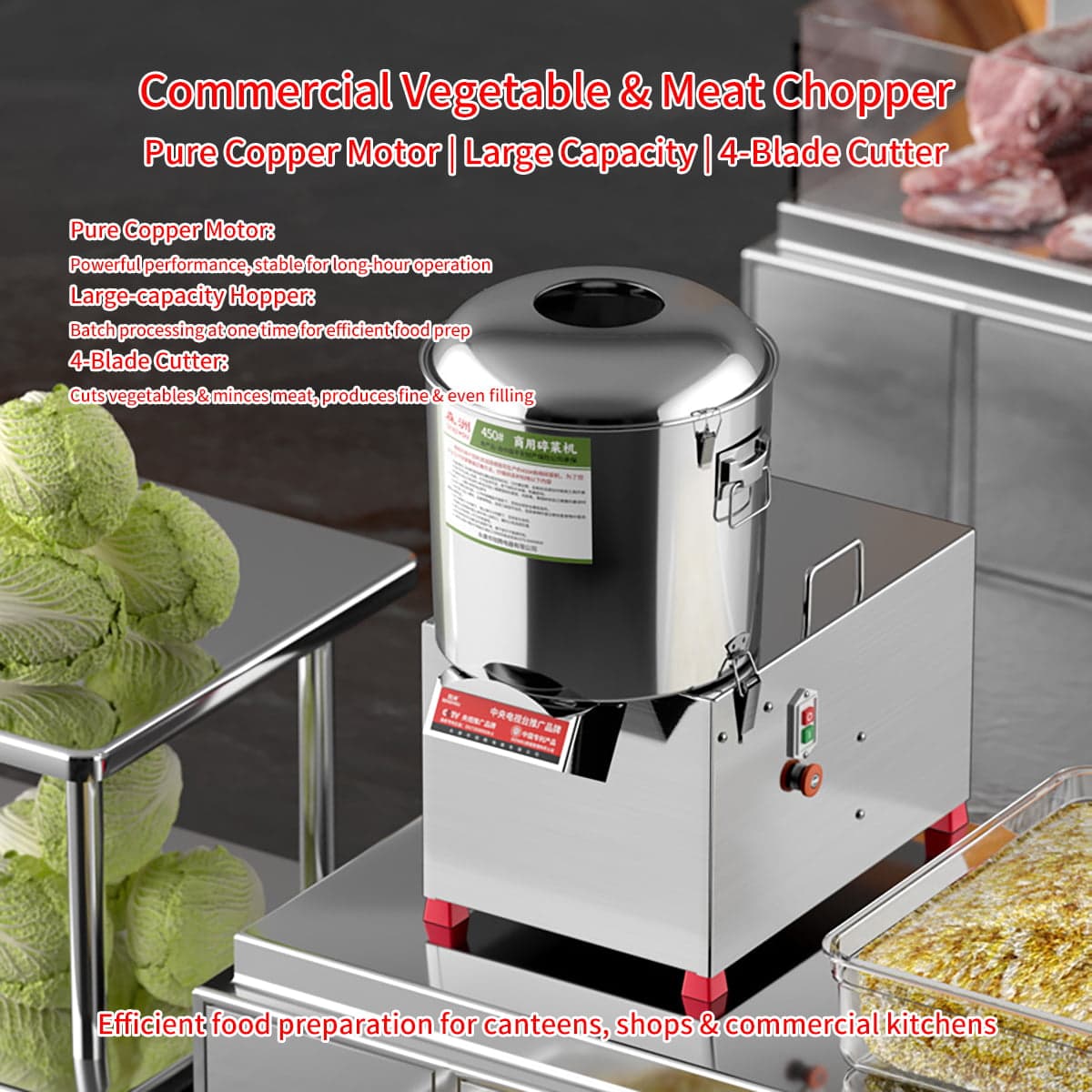
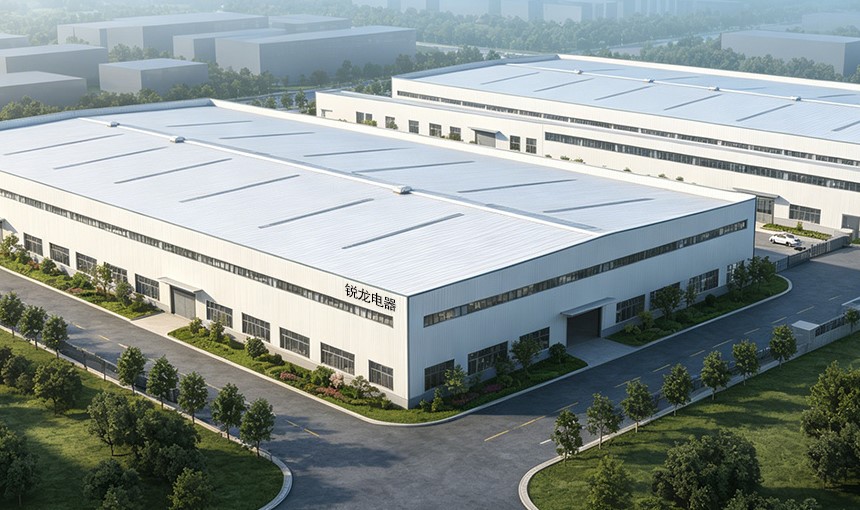
Yongkang Ruilong Electric Appliance Co., Ltd. manufactures the SIPPON range of heavy-duty vegetable stuffing processing machines in Yongkang, Zhejiang — China's hardware manufacturing base. We handle structural design, sheet metal processing, motor matching and final assembly in-house, so the chopper that arrives at your plant is built around your filling specification rather than adapted from a stock unit.
Our Custom Heavy-Duty Vegetable Stuffing Processing Machine Suppliers range covers granular vegetable choppers from 550 W benchtop units to 3000 W four-blade industrial mincers, feeding bun shops, dumpling lines, central kitchens, canteens and frozen filling factories.
What Our Vegetable Stuffing Machines Do
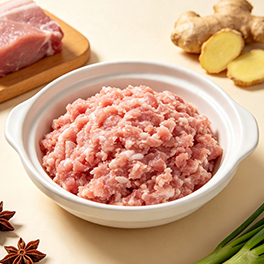
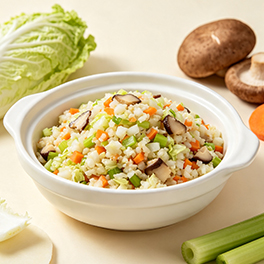
These machines reduce fresh vegetables and meat into granular filling with controlled particle size, keeping cell structure and moisture so the finished filling tastes fresh rather than pulped. Granularity is set by blade geometry and running speed, not by guesswork, which is why the same machine can produce coarse cabbage filling for dumplings and finer ginger-garlic paste for seasoning.
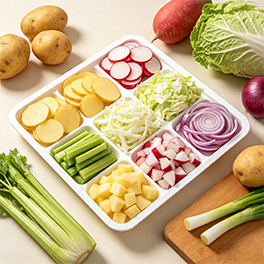
- Granular chopping — cabbage, leafy greens, Chinese chives, celery, scallion, ginger, garlic, chili, radish, pickled and salted vegetables.
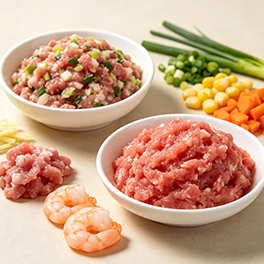
- Mixed filling — vegetable and meat combinations for buns, dumplings and prepared frozen products.
- Secondary preparation — chopped chili, pickled radish pieces, seasoning granules and cold-dish ingredients.
- Non-food use — green forage crushing on livestock and farm-stay sites.
Our Heavy-Duty Chopper Range
Four standard platforms cover most filling rooms. Output figures below are the rated chopping capacities published for each model; actual throughput depends on vegetable type, loading method and target granularity.
| Model | Power | Rated Output | Machine Size (cm) | Typical Fit |
|---|---|---|---|---|
| RT220 | 550 W | 15–20 kg/h | 48 × 32 × 22 | Small kitchens, auxiliary prep, low-volume filling |
| RT280 | 750 W | 30–50 kg/h | 54 × 37 × 27 | Bun and dumpling shops, canteen pastry sections |
| RT320 | 1000 W | 60–70 kg/h | 57 × 40 × 32.5 | Chain breakfast stores, institutional canteens, pickled workshops |
| 450# | 3000 W, four-blade | Large-batch industrial duty | 85 × 75.5 × 42 | Frozen filling plants, food factories, continuous production |
The RT320 platform is documented for 70–130 kg/h on suitable ingredients, replacing three to five manual preparation workers on a busy shift. For plants running a full prep line, the chopper pairs with our Vegetable Cutting Machine for upstream segmenting and with the Bowl-type Dough Mixer for downstream filling blending.
Construction, Hygiene and Cleaning
Every SIPPON stuffing machine uses a thick stainless steel body and a copper motor. Blades are martensitic stainless steel, removable for sharpening or replacement, and the barrel separates from the blade assembly so the whole product contact area can be rinsed without trapping residue.
- No sanitary dead corners in the chopping bowl; surfaces drain and wipe clean.
- Blade and barrel disassembly in seconds for end-of-shift washdown.
- Thickened non-slip base for stable, low-vibration running.
- Low-noise motor and safety lock to prevent operation with the lid open.
- Corrosion-resistant finish suited to humid kitchen and washdown environments.
Configuration Options We Build To
Customization is handled at order stage. We confirm the working point first, then lock the electrical and mechanical configuration around it.
220 V 50 Hz or 110 V 60 Hz as standard, matched to the destination market.
Variable-frequency speed control allows free adjustment of filling coarseness.
Blade geometry selected for the ingredient mix and target particle size.
Customized machine appearance and structural variants for OEM programs.
Line Integration and Installation
A stuffing chopper rarely works alone. We plan the unit into the filling room layout so loading height, discharge position and washdown access suit the operators who use it every shift. Where a plant runs cutting, chopping, mixing and cooking in sequence, we coordinate the machines as one prep flow rather than isolated units.
- Layout planning support during pre-sales selection.
- Bench or floor placement confirmed against machine footprint and package dimensions.
- Standard single-phase supply for RT220–RT320; confirm circuit capacity for the 450# platform.
- Operator training on blade change, granularity setting and cleaning routine.
Quality Control, Documentation and Spares
Machines are assembled from in-house sheet metal work and matched motors, then checked before packing. Each shipment carries a full set of standardized technical documents: operation manual, exploded part diagrams, maintenance guide and compliance certificates, which supports both staff training and import clearance.
Wearing parts are dimension-standardized across models and held in stock, so replacement blades and consumables interchange between machines. That keeps repair downtime short and lowers inventory pressure for distributors carrying several models. We also support retrofit work on existing machines — precision blade upgrades, constant-temperature control updates and capacity expansion — as an alternative to full replacement.
Information We Use to Configure Your Solution
A workable proposal needs the working point, not a model number alone. The table below shows what we ask for and how each answer changes the configuration.
| Project Input | Why We Need It | What It Determines |
|---|---|---|
| Vegetable and meat mix | Fibre content and moisture drive blade load | Blade geometry, motor power |
| Target granularity | Coarse and fine filling need different speeds | Speed control range, blade set |
| Batch size and daily volume | Sets the required hourly output | Model platform, bowl capacity |
| Destination voltage and plug | Must match site supply | 220 V 50 Hz or 110 V 60 Hz build |
| Available floor space and bench height | Affects operator posture and workflow | Footprint, loading arrangement |
| Line position and adjacent equipment | Upstream and downstream handoff | Discharge height, layout planning |
| OEM branding or appearance requirement | Distributor and private-label programs | Customized appearance and labeling |
Packing, Delivery and Support Scope
Each unit is packed to its own carton dimensions — for example the RT220 ships at 35.5 × 27.5 × 50 cm with a 10 kg gross weight, while the 450# platform packs at 82 × 80 × 52 cm. Net and gross weights are stated per model so freight and customs paperwork can be prepared accurately.
After-sales support covers spare parts supply and maintenance service alongside the documentation package. Distributors working across several SIPPON categories can standardize on shared wearing parts and a single technical document format. Our wider Products range covers cutting, chopping, mixing and sauce cooking so a filling room can be equipped from one source.
Frequently Asked Questions
What output can I expect from a heavy-duty vegetable stuffing machine?
Rated chopping output runs from 15–20 kg/h on the 550 W RT220 up to 60–70 kg/h on the 1000 W RT320, with the RT320 platform documented at 70–130 kg/h on suitable ingredients. The 3000 W 450# four-blade mincer is built for large-batch industrial duty. Real throughput depends on vegetable type, target granularity and how consistently the bowl is loaded.
Can the machine produce both coarse and fine filling?
Yes. Variable-frequency speed control lets operators adjust filling coarseness without changing the machine, so one unit can handle coarse cabbage filling for dumplings and finer ginger, garlic or chili paste for seasoning work.
Which vegetables and ingredients are suitable?
Cabbage, leafy greens, Chinese chives, celery, scallion, ginger, garlic, fresh chili, radish, pickled cabbage, salted vegetables, mushrooms, wood ear fungus and potatoes all process well, along with meat for mixed fillings. The same platform also handles chopped chili, pickled radish pieces and seasoning granules.
How is the machine cleaned and maintained?
The blade assembly and barrel separate for rinsing, with no sanitary dead corners in the bowl. Blades are removable martensitic stainless steel. Wearing parts are dimension-standardized across models and held in stock, and we supply maintenance guides with every machine.
Do you build to different voltages and OEM requirements?
We build for 220 V 50 Hz and 110 V 60 Hz as standard, and customized voltage, machine appearance and structural variants are available for distributor and private-label programs. Send the destination market and site supply details with your enquiry.
What information should accompany a request for a configuration and quotation?
The ingredient mix, target granularity, batch size and daily volume, destination voltage, available floor space, line position and any OEM branding requirement. With those inputs we can select the model platform, blade set and electrical build, and confirm packing dimensions and delivery scope.