


 English
 Español

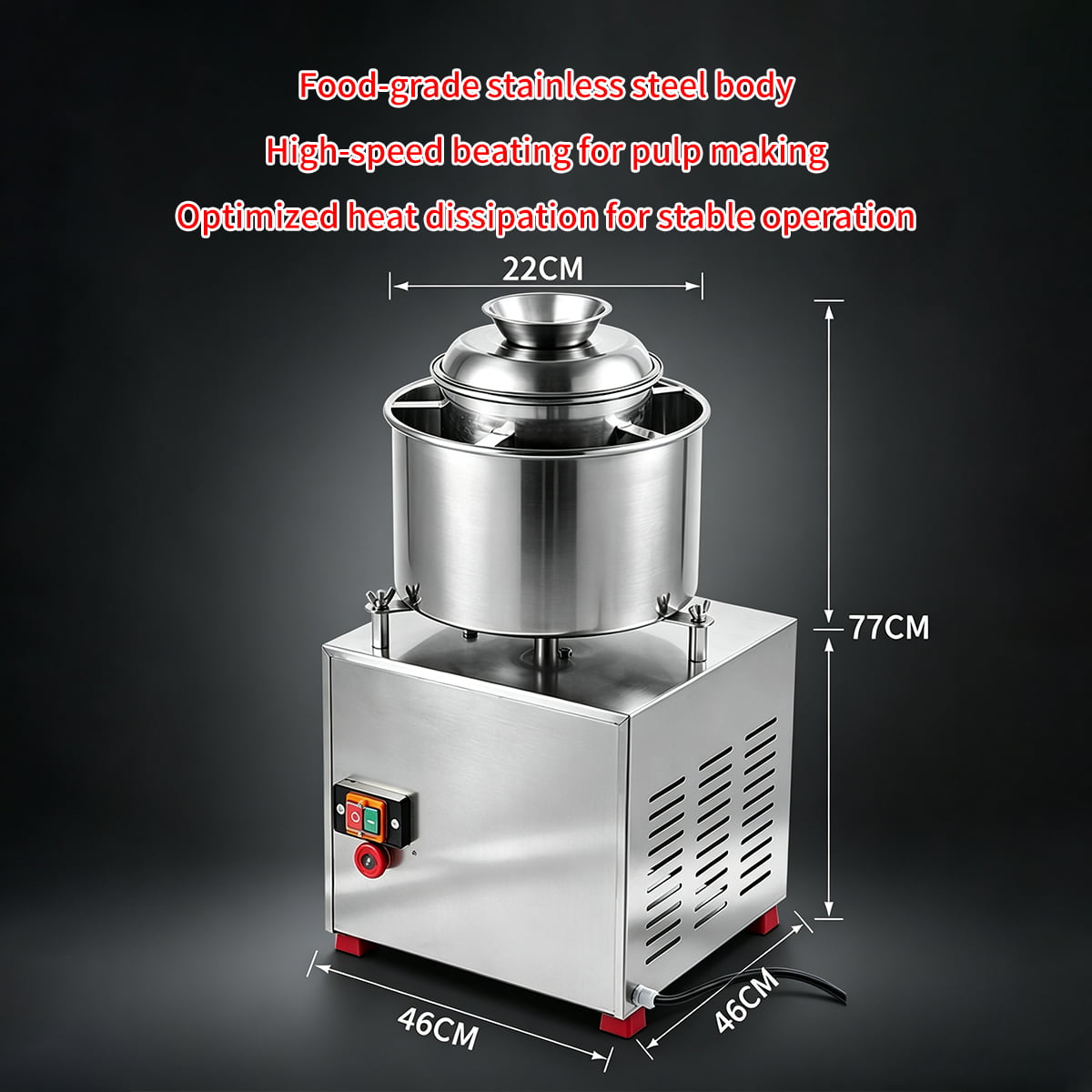
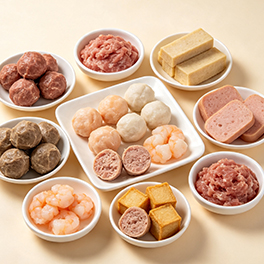
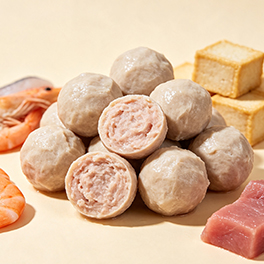
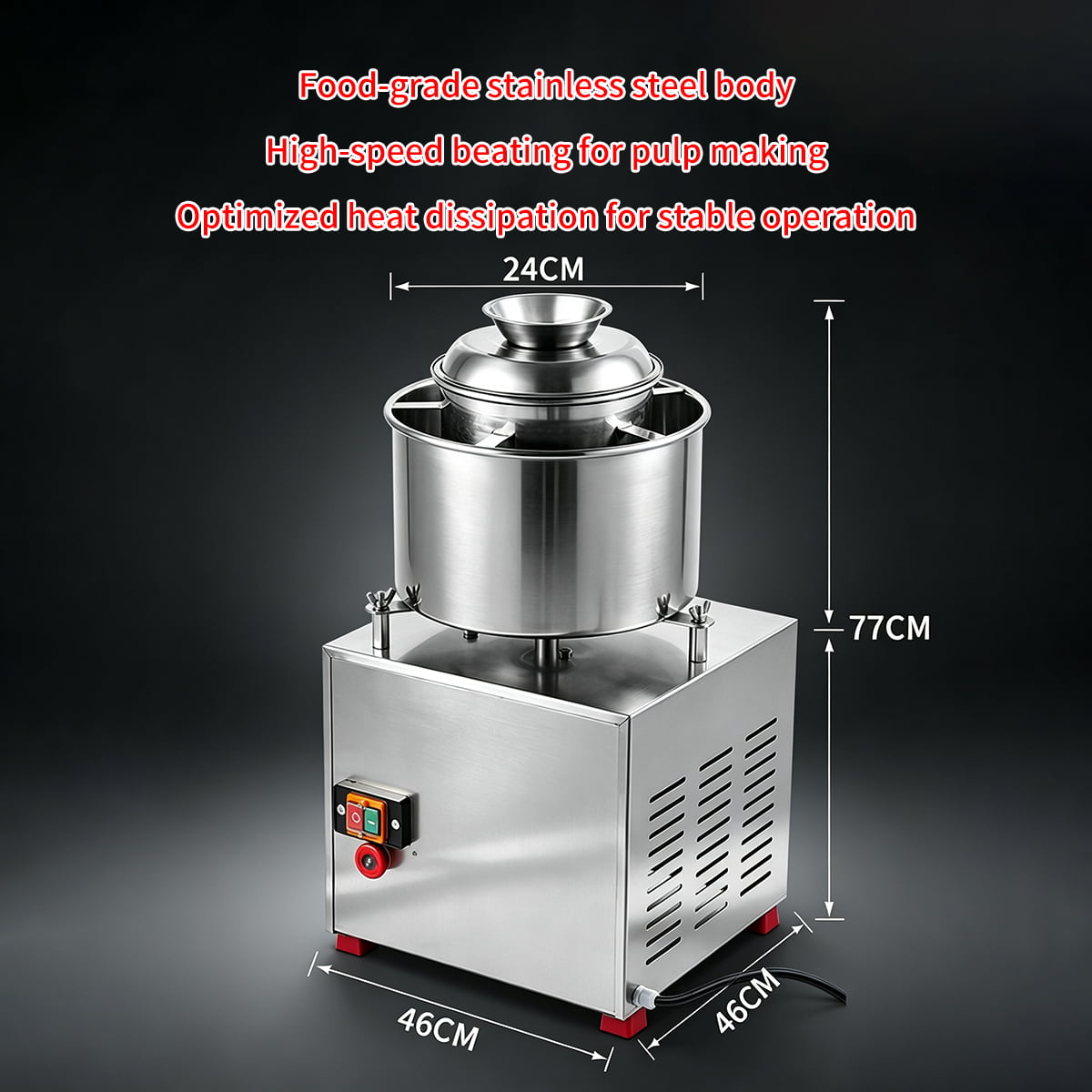
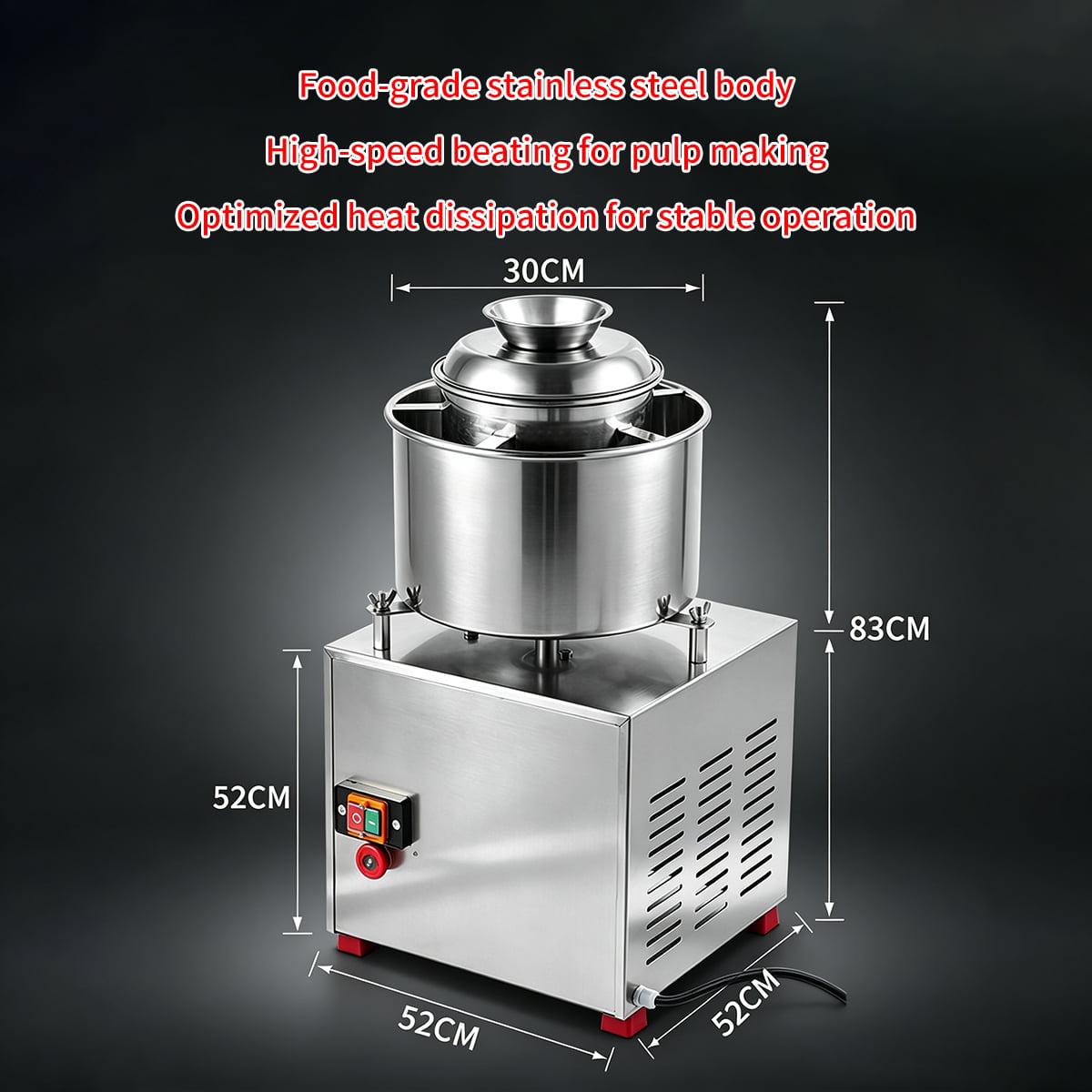
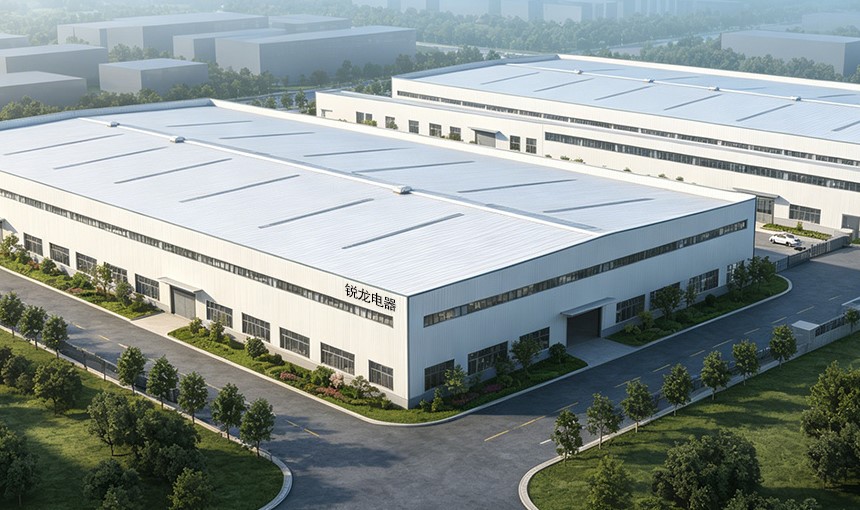
Yongkang Ruilong Electric Appliance Co., Ltd. builds the SIPPON range of commercial meat pulping equipment in Yongkang, Zhejiang. Our Custom Meatball Battering Machine Suppliers line covers the RT22, RT24 and RT30 beater models, engineered for food factories, central kitchens, frozen-food plants and fresh-market stalls that need repeatable elastic meat paste rather than hand-beaten batches.
What We Manufacture in This Category
A meatball battering machine is not a grinder. It is a high-speed mixing and emulsifying unit: rotating paddles break down meat fibre, raise water retention and build the adhesion that lets a meatball hold shape through boiling, frying or freezing. We design the barrel, frame and paddles as food-contact stainless steel, matched to a copper motor and a mechanical drive sized for continuous commercial duty.
Our three standard models share a 3000 W motor and dual voltage configuration, so the same machine platform serves a small dumpling shop and a batch-production fish-ball line. Customized voltage, appearance and machine configuration are available on request, and our engineering team completes structural design, sheet-metal processing, motor matching and final assembly in-house.
Our Meatball Battering Machine Range
| Model | Batch Capacity | Power | Net Weight | Typical Fit |
|---|---|---|---|---|
| RT22 Meat Ball Beater | Compact batch | 3000 W | 43 kg | Small kitchens, market stalls, single-product shops |
| RT24 Meat Ball Beater | 1.5–4.5 kg/batch | 3000 W | 46 kg | Restaurant chains, cooked-food outlets, mid-volume plants |
| RT30 Meat Ball Beater | 1.5–6 kg/batch | 3000 W | 52 kg | Fish-ball lines, frozen-food plants, batch production |
All three models run on 220 V 50 Hz or 110 V 60 Hz, so the same platform can be specified for different destination markets without changing the mechanical design. Dimensions and packing sizes are documented per model for container planning and door-clearance checks.
Application Fit Across Meat and Aquatic Products
The battering process suits any recipe where a fine, cohesive paste is the base. Livestock and poultry mince — pork, beef, chicken and duck — is beaten for beef balls, pork balls, chicken balls, meat patties, meatloaf, grilled sausage and luncheon meat. The improved water retention keeps the finished product springy and reduces breakage or moisture loss during cooking.
Aquatic raw materials behave differently. Fish and shrimp meat is beaten to raise surimi fineness and yield for fish balls, shrimp paste, cuttlefish balls, fish tofu and frozen hotpot ingredients. The same barrel also handles auxiliary mixing: ice water, starch, protein powder, spices and small quantities of ginger or garlic paste can be added during the beating cycle instead of in a separate step.
- Meatball producers: beef balls, pork balls, lean-meat balls, stuffed meatball fillings.
- Surimi and seafood: fish balls, shrimp paste, cuttlefish balls, fish tofu.
- Prepared foods: wonton fillings, sausage fillings, meatloaf and patty bases.
- Frozen-food supply chains: batch paste for downstream forming and freezing lines.
Configuration Options We Build Around
Standard machines cover most shops and small plants. Where a recipe or a line demands more control, we configure the unit around the working point rather than forcing the recipe to fit a stock model.
- Voltage and plug standard: 220 V 50 Hz or 110 V 60 Hz, matched to the destination market.
- Frequency control: variable paddle speed for recipes that need a gentler or faster beating profile.
- Refrigeration function: for premium beef balls and shrimp paste where paste temperature must stay controlled during beating.
- Appearance and branding: customized housing finish and machine appearance for distributors and private-label programmes.
- Capacity selection: RT22, RT24 or RT30 barrel size chosen against batch weight and daily output target.
Line Integration and Installation
A battering machine rarely works alone. In a meatball line it sits between the grinder and the forming or cooking stage, so the paste it discharges has to match what the next unit expects. We look at the upstream mincing size and the downstream forming method when we recommend a model, and we can position the beater alongside our Meat Grinder range and the wider Products portfolio to build a complete pre-processing flow.
Installation is straightforward: the machine needs a level floor position, a matched power supply and enough clearance for loading the barrel and removing the paste. We supply layout planning support so the unit fits the available prep area and the operator can work without obstruction. For plants running several machines, we help sequence the equipment so paste does not wait between stations.
Materials, Hygiene and Cleaning
Every food-contact part — frame, mixing barrel and paddles — is food-grade stainless steel, corrosion-resistant and easy to clean. The thick stainless body also gives the machine the rigidity that high-speed beating demands, reducing vibration and keeping the paddle axis stable over long production runs. The copper motor is selected for commercial duty rather than intermittent household use.
Cleaning between batches is a design consideration, not an afterthought. Removable components and smooth internal surfaces let operators clear meat residue quickly, which matters when a shop switches between pork and fish paste in the same shift. We document the cleaning procedure in the operation manual so staff can follow a consistent routine.
Quality Control, Documentation and Acceptance
Because we complete structural design, sheet-metal processing, motor matching and assembly in-house, we control the critical interfaces: paddle-to-barrel clearance, shaft alignment, motor mounting and electrical wiring. Each unit is assembled and run before packing, and the delivered scope includes a full set of standardized technical documents — operation manual, exploded part diagrams, maintenance guide and compliance certificates — to support staff training and import clearance.
- Model-specific dimensions, voltage, power, net weight and packing size recorded for each unit.
- Food-grade stainless steel specified for all food-contact surfaces.
- Standardized, dimension-interchangeable wearing parts held in stock for faster replacement.
- Documentation package prepared for operator training and customs review.
Maintenance, Spare Parts and Serviceability
Wearing parts across our models are dimension-standardized, so a replacement paddle or drive component fits the same position across the range. That interchangeability shortens repair downtime and lowers the spare-parts inventory a distributor or plant needs to carry. We also support targeted retrofits — precision paddle upgrades, constant-temperature control updates and capacity expansion — so an existing machine can be brought closer to current production requirements without replacing the whole unit.
After-sales support covers spare-parts supply and maintenance guidance, with pre-sales selection consultation and layout planning before the order is placed. Our aim is that a machine stays in production rather than sitting idle waiting for a component.
Information We Use to Configure Your Solution
A useful proposal needs the working point, not just a model number. The more of the following you can share, the more precisely we can match the machine, voltage and options to your line.
| Project Input | Why We Need It |
|---|---|
| Raw material type (pork, beef, chicken, fish, shrimp) | Determines beating profile and barrel selection |
| Batch weight and daily output target | Sizes the model between RT22, RT24 and RT30 |
| Destination voltage and plug standard | Sets 220 V 50 Hz or 110 V 60 Hz configuration |
| Downstream forming or cooking method | Matches paste texture to the next process stage |
| Available floor space and prep layout | Confirms installation clearance and operator access |
| Frequency control or refrigeration requirement | Adds options for premium beef balls and shrimp paste |
| Branding or appearance customization | Supports distributor and private-label programmes |
Frequently Asked Questions
What is the difference between a meatball battering machine and a meat grinder?
A grinder chops meat into particles. A battering machine beats and emulsifies the minced meat at high speed, breaking down fibre and building water retention, adhesion and elasticity. The two work together: grind first, then beat the paste to the texture the finished meatball needs.
Which model suits a small shop versus a production plant?
The RT22 is the compact choice for small kitchens and market stalls. The RT24 handles 1.5–4.5 kg per batch for restaurant chains and cooked-food outlets. The RT30 takes 1.5–6 kg per batch and is the usual fit for fish-ball lines and frozen-food plants running continuous batches.
Can the machine run on our local voltage?
Yes. Our battering machines are configured for 220 V 50 Hz or 110 V 60 Hz, and we confirm the destination standard before production so the delivered unit matches the site supply.
Can you customize the machine for our brand or recipe?
Customized machines, voltage and appearance are available. For recipes that need tighter control, we can add frequency control or a refrigeration function. Share the raw material, batch weight and target texture, and we will propose the configuration that fits.
What documentation and spare parts come with the machine?
Each unit ships with an operation manual, exploded part diagrams, a maintenance guide and compliance certificates. Wearing parts are dimension-standardized across models and held in stock, so replacements fit the same position and arrive without a long wait.
How do we prepare a quotation request?
Send the raw material type, batch weight, daily output target, destination voltage, available floor space and any requirement for frequency control, refrigeration or branding. With those inputs we can confirm the model, options and delivery scope in a single proposal.